
The future of skateparks through the eyes of Douwe Macaré
The skatepark sector is booming. Where a steel ramp used to be enough, we now build iconic skate landscapes. What does this growth look like through the eyes of a skater? We asked Douwe Macaré, Dutch Street Champion 2020. He tells us about the trends and developments in this branch of the sport.
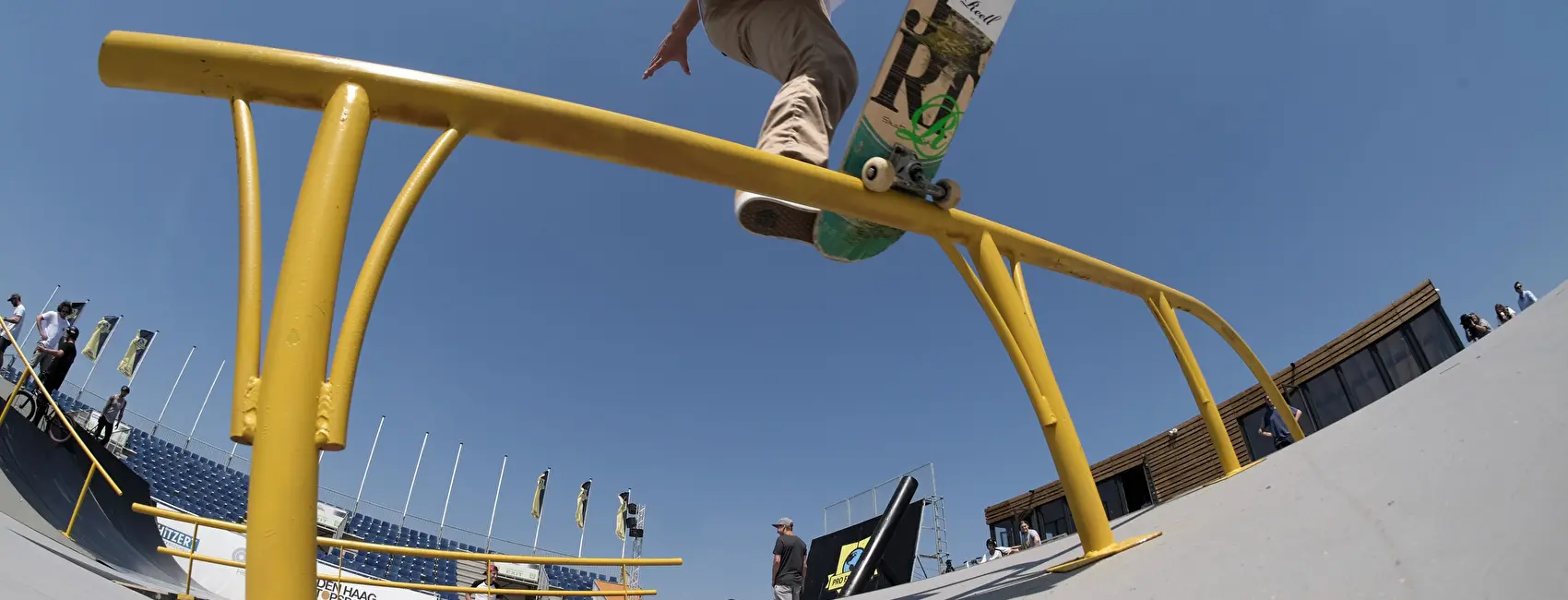
From skatepark to skate landscape
The first thing that stands out is that skateparks are increasingly becoming one with the streetscape, both in public parks and in urban environments. So much so that to a layperson it may no longer even be clear that it is actually a skatepark. It invites you to sit down and is a comfortable environment for everyone.
You see skateparks being integrated into their surroundings a lot. Plenty of greenery and beautiful materials are used. No more steel structures that trap heat in summer or are too slippery in winter. So no typical skateparks of the kind people expect from a stereotypical indoor skatepark. Skateparks are increasingly transforming into skate landscapes.
Skateboarding lends itself to a wider audience
Take the skate landscape Nine Yards built for Nike HQ in Hilversum. Public places like that are accessible to a wide audience. That location also invites you to, for example, have lunch there during your workday. In this way, skating increasingly lends itself to a wider audience.
That last part is inevitable and irreversible. The harder you fight it, the harder it turns against you. Personally, I think it's great. The barrier to skating is lower. It's easier to bring people along. Skateparks are in cooler locations, no longer tucked away or under a bridge, but in the middle of the city or in a really beautiful park. That makes the sport more accessible to everyone. It's an upward spiral, also thanks to the Olympic Games, big contests and television appearances. Municipalities recognize the need to build skateparks, and to do so in prime locations.
Skating and skateboarders a ‘welcome guest’
Skateboarding becoming more and more popular is a development that has taken place very gradually over recent years. One result of that is, for example, the Dior store in de Bijenkorf, Rotterdam. Skateboarding is now something that big, leading brands want to associate themselves with. That also says something about people. Skateparks need to develop along with that mentality and those trends, and be high-quality projects. That is already happening. But if leading Dutch skatepark builders had not committed themselves to it, that might not have been the case. We should be aware of that.
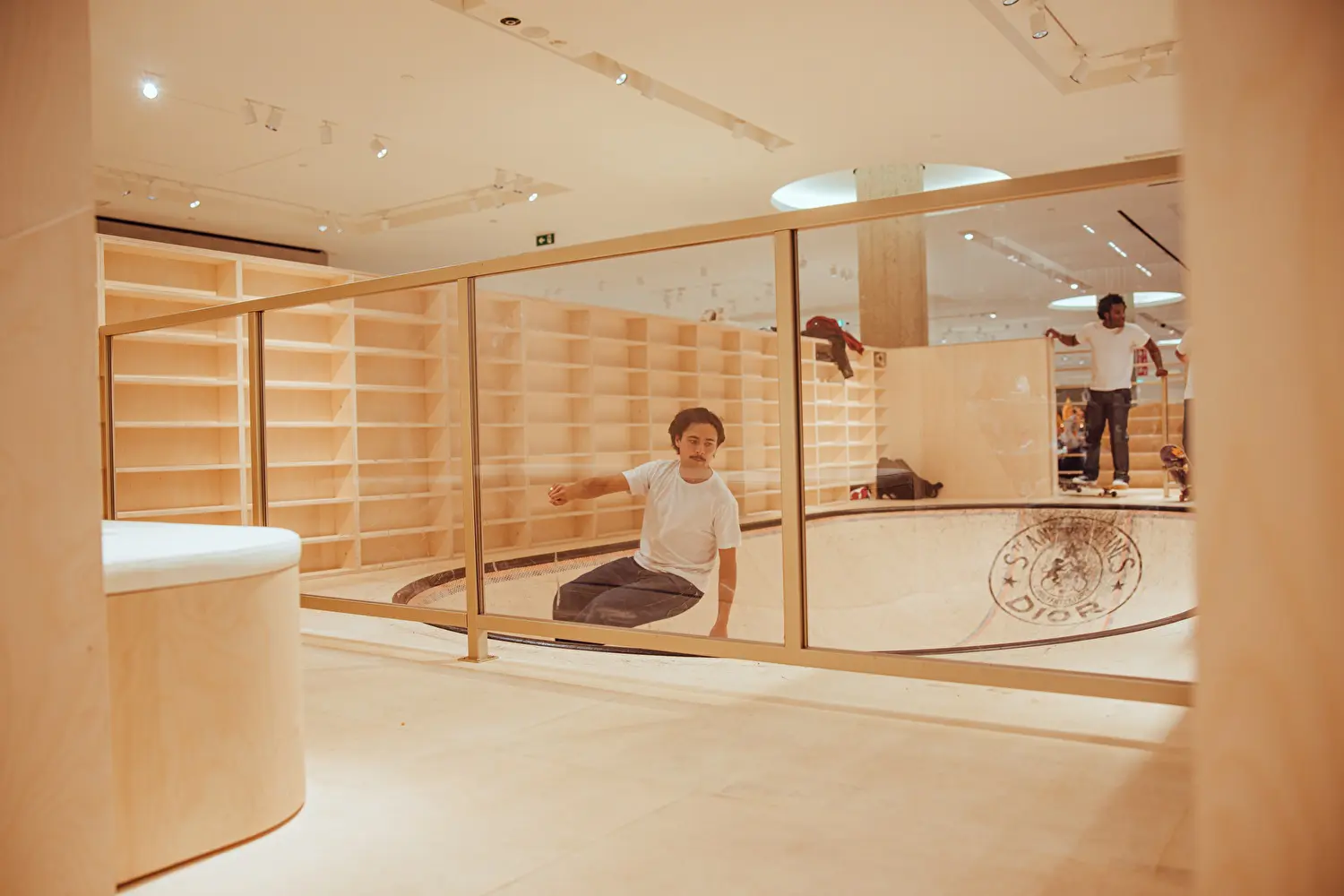
Dior Store - Rotterdam
Skating is priority #1
What is very important is preserving the skating. When developing a skatepark or skate landscape, skating must be priority number 1. It's great when it fully integrates with its surroundings, and when good seating, footpaths and so on are taken into account. But a good footpath with grating, for example, can't be skated. In that sense, it's very important never to lose sight of skateboarding. It simply has to be properly skateable before attention is paid to other things. It's important to always zoom out and reflect on the function again. Making a skatepark or skate landscape as attractive as possible is something lots of greenery and beautiful materials can help with, but that's secondary. Skating comes first.
The vision for the future
If the trend continues and the attention for skating keeps growing, for example because people more often choose free-spirited sports like this instead of traditional sports such as soccer, and municipalities recognize its value, I can see skatepark projects getting bigger and bigger, along with the investment. I'm obviously biased, but you can already see it happening. Just look at the skateboard training center in The Hague. It's already underway, especially on an international scale, but I see it developing even further.
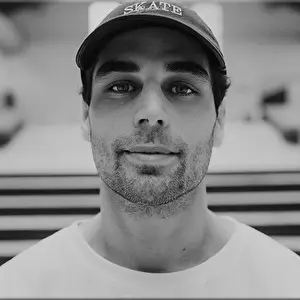
Douwe Macaré
- Professional skateboarder
