
Freerunning parks for sport and public space
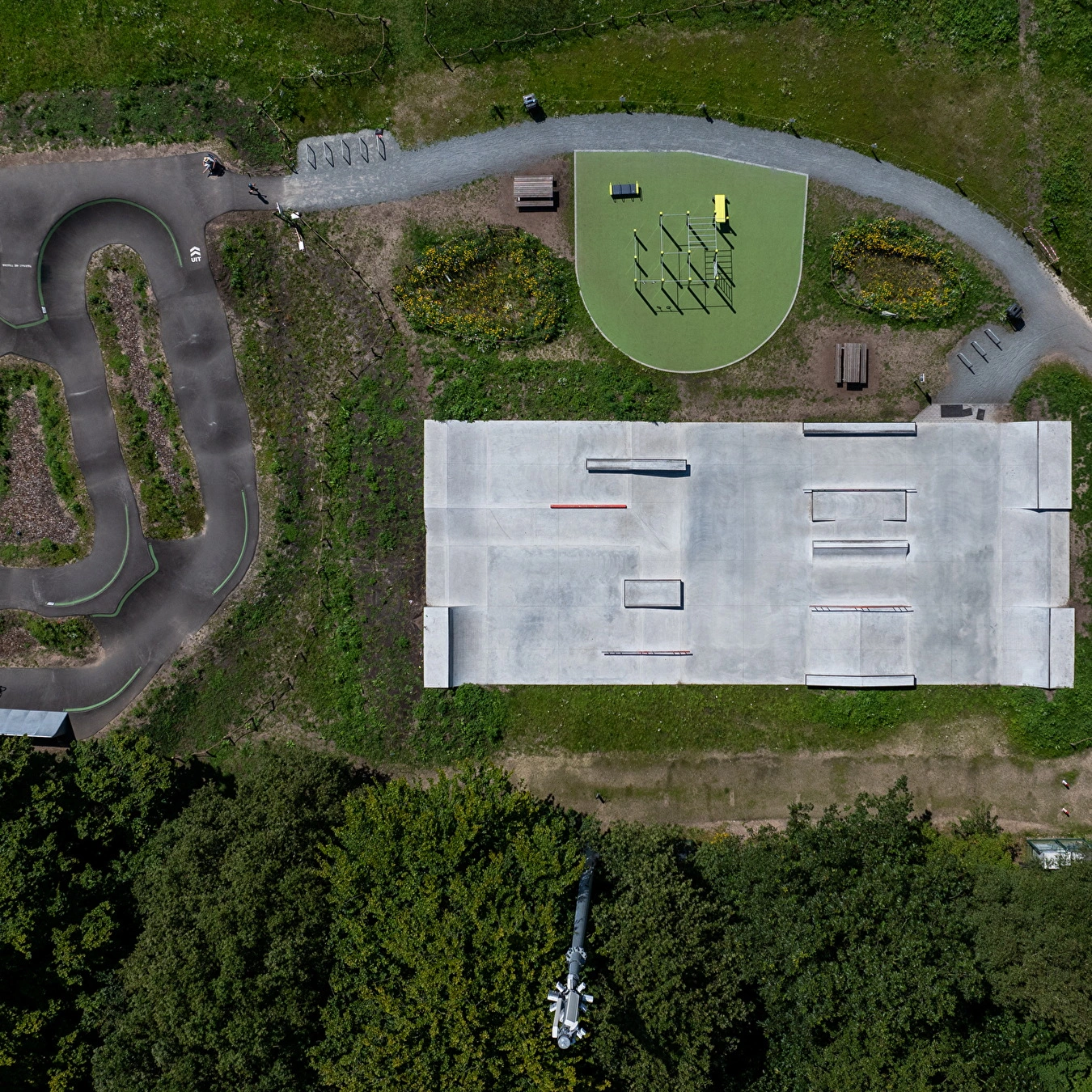
A freerunning park gives athletes room to move at their own level and seek out new challenges. The facility can be built as a standalone, but can also be part of a larger urban sports park with, for example, skateboarding, calisthenics and basketball. In several Nine Yards projects, freerunning is part of the overall sports offering in exactly this way.
Freerunning as part of a bigger picture
A good freerunning facility doesn't start with individual obstacles, but with the place as a whole. Which users do you want to reach? Which other sports are present? And how does the facility connect to routes, places to linger and the surroundings?
By including freerunning in the overall plan from the start, different functions can reinforce each other. The result is an active public space that appeals to multiple target groups and is used at different times of day.
A freerunning park can be part of:
- An urban sports park with multiple disciplines
- A combination with skateboarding and calisthenics
- A sports and activity park
- A public meeting place for young people and athletes
- A broader redesign of public space
From sports facility to public place
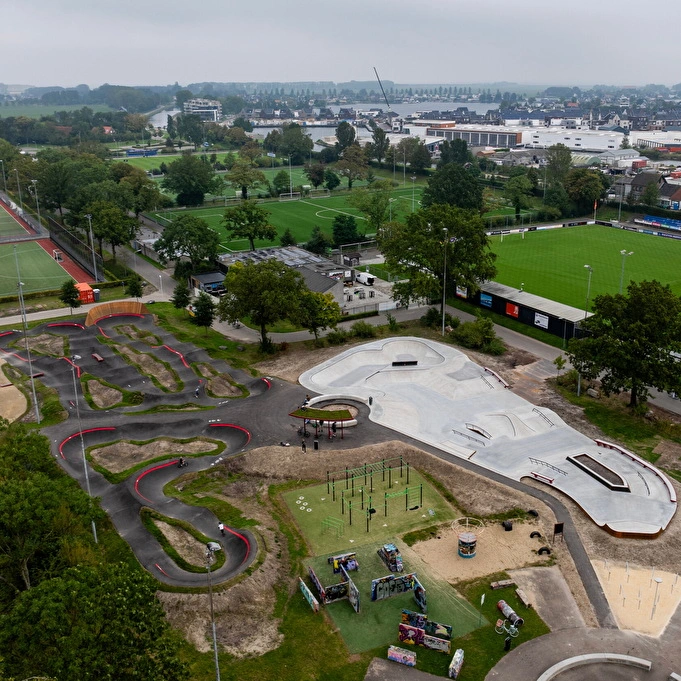
The quality of a freerunning park isn't determined by its sports function alone. Accessibility, routing, social safety, greenery and space to linger also play a role in the success of the place. That is why we look beyond the boundaries of the sports facility and include the surroundings in the design.
The result is not a collection of separate sports elements, but a place that becomes part of the neighborhood, the park or the city.
Featured freerunning projects
Freerunning can become part of a public sports facility in several ways. These projects show how the discipline is combined with other sports and functions.


Designing from the users' perspective
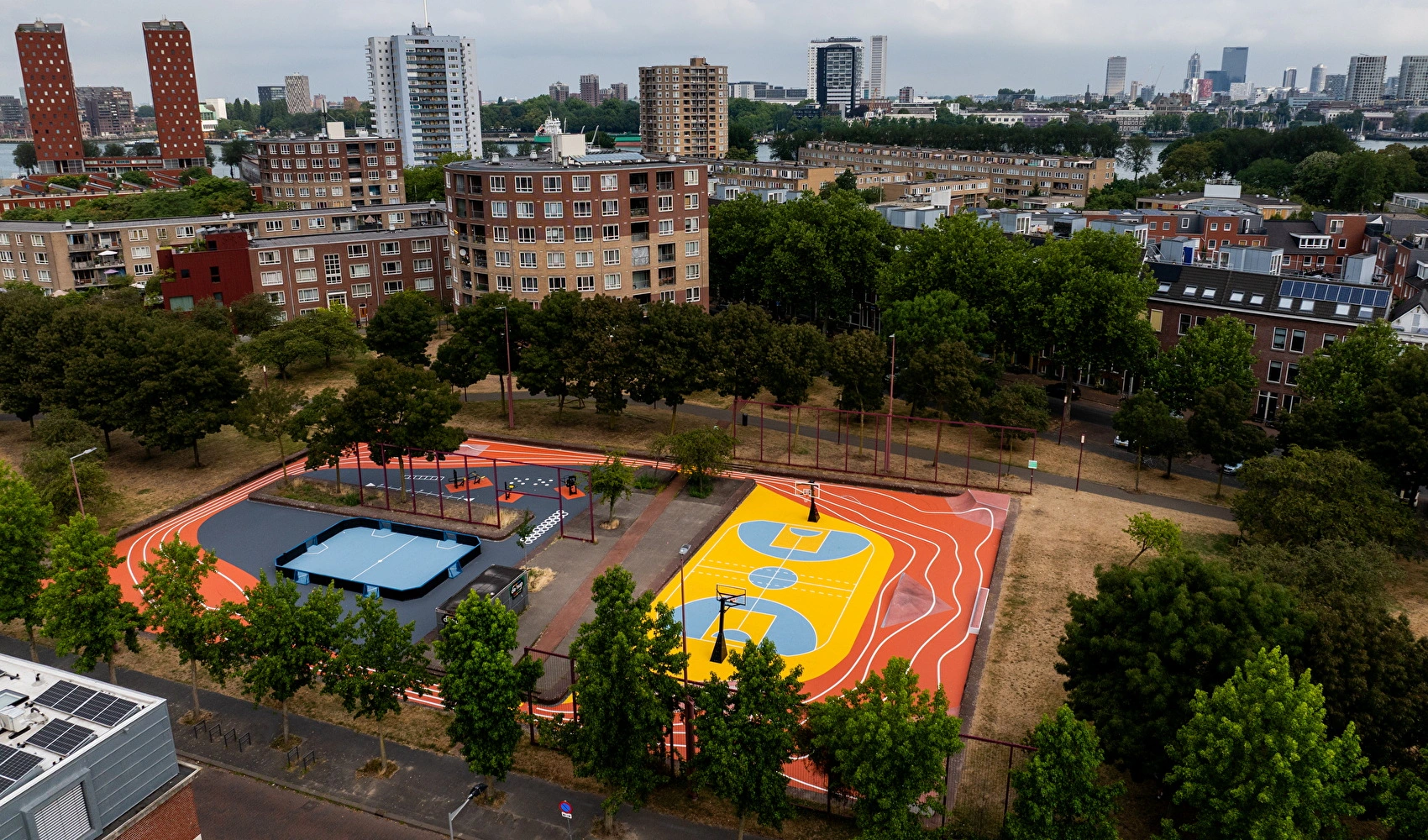
Beginning freerunners use a space differently than experienced athletes. That is why we first map out who the future users are, what their level is and what they want. We translate that input into the program and the design.
By giving local athletes and other stakeholders a voice early in the process, you get a facility that better matches how it will actually be used. At the same time, ownership of the place grows: users recognize their input and feel more connected to the end result.
Looking to build a freerunning park?
Do you have plans for freerunning, or want to explore how the discipline fits within an urban sports park or public space? We're happy to think along about the possibilities for your location.