Outdoor skatepark skatevoorziening Doesburg Nine Yards

Why urban sports work for young people

Municipalities are looking for effective youth facilities in public space that do more than just provide room for sport. Young people need a place of their own: visible, challenging and socially safe. Urban sports respond directly to that need. Where traditional play or sports facilities are often organized and club-based, urban sports connect with the world young people live in. They are accessible, independent and flexible. No membership. No fixed hours. Real ownership.

Scroll

Connecting with the world of young people

Urban sports are not a traditional form of sport. They are a culture. Skateboarding, BMX, 3x3 basketball or calisthenics are all about freedom, creativity and community. Young people decide for themselves when and how they take part. No membership is needed and there is no fixed structure. It is exactly that autonomy that makes it powerful. A youth facility in public space that takes this culture seriously increases engagement and ownership. Young people feel seen when a municipality invests in quality and challenge instead of bare-minimum facilities. That translates directly into higher usage and lasting appeal.

  • Culture and community

  • More ownership in the neighborhood

  • Accessible sport

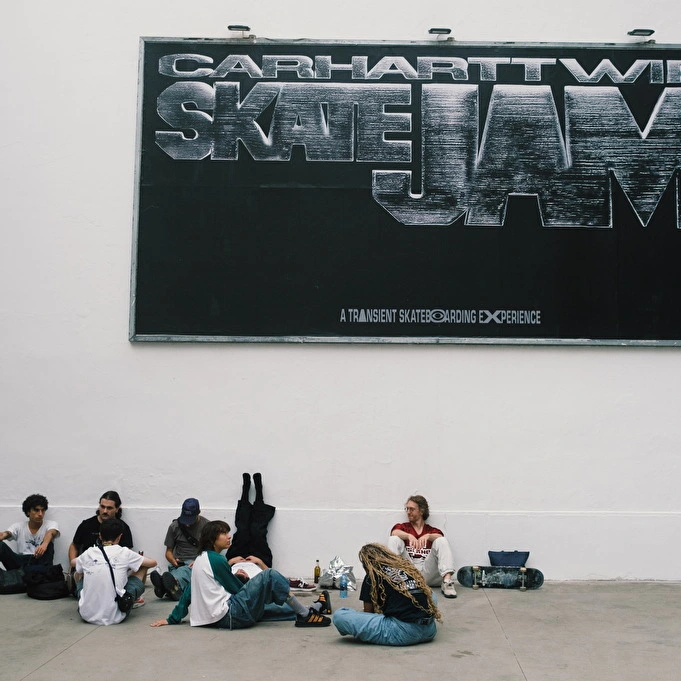
Skatejam Carhartt WIP Milano Nine Yards

From hangout spot to positive meeting place

Many municipalities are looking for ways to give structure to informal hangout spots without being repressive. Urban sports offer a positive alternative. When young people get an attractive, well-designed place, the dynamic shifts. The energy stays, but becomes productive. Movement replaces boredom. Meeting up replaces nuisance.
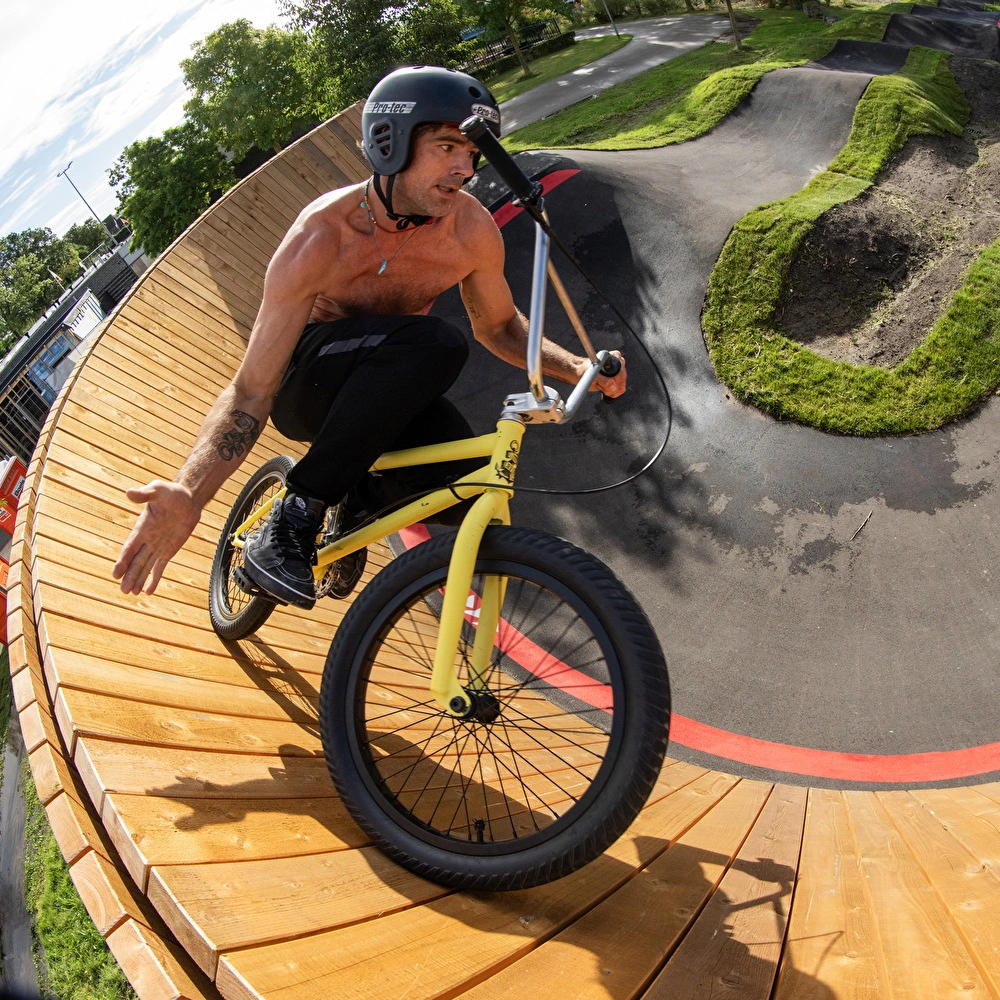
Nine Yards skatepark Goes Mark Vos pumptrack

Urban sports as a driver for a strong neighborhood
Integration into one multifunctional outdoor space

Urban sports work best as part of a broader spatial vision. Sport, greenery and meeting places reinforce each other in one cohesive design. This creates higher usage per square meter. Investments pay off better within area development.

Connecting generations and target groups

A well-designed youth facility does not exclude other groups. Parents, local residents and athletes share the same space. That strengthens social cohesion and mutual acceptance. The neighborhood becomes more inclusive and lively.

Contributing to prevention and mental health

Urban sports encourage daily physical activity without barriers. Young people build self-confidence, skills and community. This supports prevention policy and well-being goals. A youth facility thus becomes a tool for broad social impact.

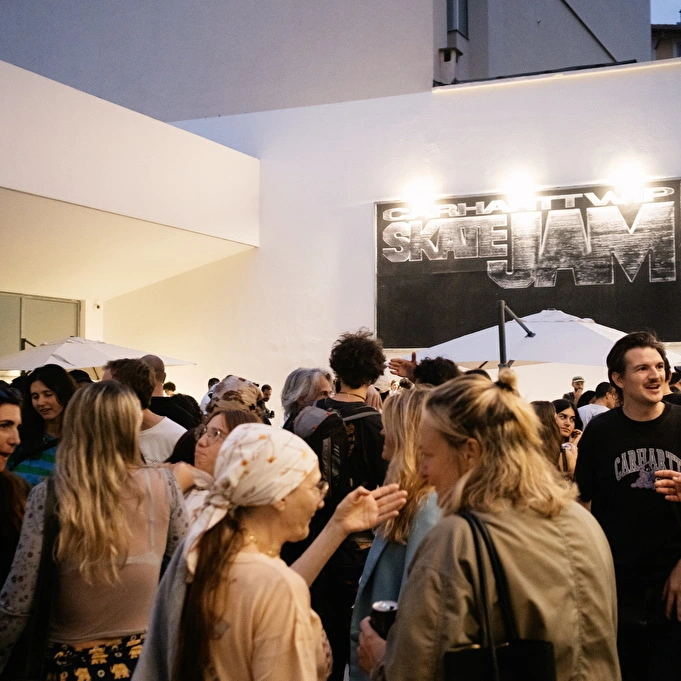
Skatejam Carhartt WIP Milano Nine Yards

From idea to construction

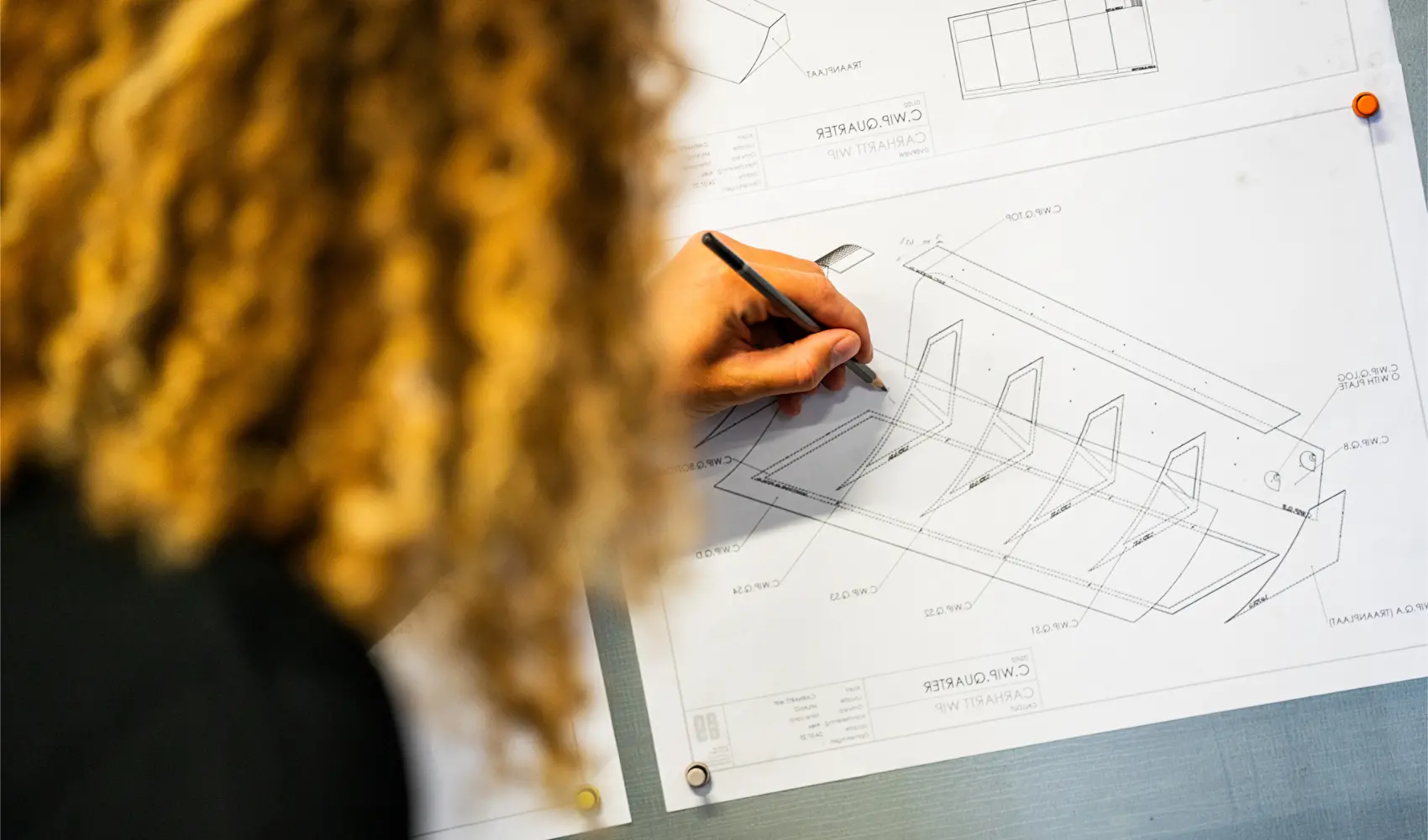
A successful urban sports spot takes more than just design. Participation with young people is essential. Their input determines the quality and the level of support. Nine Yards guides municipalities from strategic exploration to construction. We translate policy ambitions into an integrated approach and design youth facilities that fit within a multifunctional outdoor space and a future-proof, activity-friendly public space.
Nine Yards ontwerpbureau urban sports

Develop a youth facility in public space

Together we develop a sustainable and attractive youth facility that suits the neighborhood, the target group and the public space. Nine Yards helps you go from plan to a place that actually gets used.

Schedule an introduction

Frequently asked questions about youth facilities and urban sports

  • What makes a good youth facility in public space?

    A good youth facility offers more than a place to hang out. It is a high-quality, challenging and safe space where young people can move, meet each other and develop themselves. Urban sports are a great fit, because they are accessible, independent and socially connecting.

  • Why do urban sports work better than a traditional hangout spot?

    Urban sports activate. Where a traditional hangout spot mainly facilitates lingering, urban sports encourage movement, challenge and interaction. That leads to higher usage, more ownership and a more positive dynamic in the neighborhood.

  • Doesn't an urban sports spot cause nuisance?

    Quite the opposite. When young people get an attractive and well-designed place, energy shifts from informal hangout spots to a positive meeting place. Intensive use also creates natural social oversight, which actually increases the sense of safety.

  • How do you make sure different groups share the space?

    By integrating urban sports into a multifunctional outdoor space. Combining sport with greenery, seating and space to linger creates an environment where young people, families and other residents coexist. That strengthens social cohesion.

  • Does a youth facility fit within area development?

    Yes. Especially in new developments or neighborhood renewal, it is essential to include young people in the spatial program from the start. A well-positioned urban sports facility makes an area more attractive and contributes to an activity-friendly public space.

  • How do you involve young people in the design?

    Participation is crucial for support and quality. Actively involving young people in the design and programming creates ownership. This increases the facility's value in use and reduces the risk of failed investments.

  • What does a youth facility deliver for the municipality?

    A strong youth facility contributes to:

    • prevention and health

    • social cohesion

    • perceived safety

    • area value

    This makes it not a standalone sports investment, but a spatial tool that supports multiple policy goals.

Explore a youth facility in your municipality

Want to explore how urban sports can contribute to a strong, safe and activity-friendly public space?

In an exploratory conversation, we bring together your policy goals, spatial context and target group. This gives you insight into the opportunities for a future-proof youth facility in your neighborhood or area development.

Schedule an exploratory conversation