
Olympic skateboarding and its influence on skateboarding culture.
The Olympic Games, the highest achievement for any top athlete… But what do the Olympic Games mean for free-spirited sports like skateboarding? From the very first rumor about skateboarding becoming part of the Olympic Games in Tokyo, the skateboarding world was on fire. Is it good or bad for ‘’our’’ culture, where anything goes?
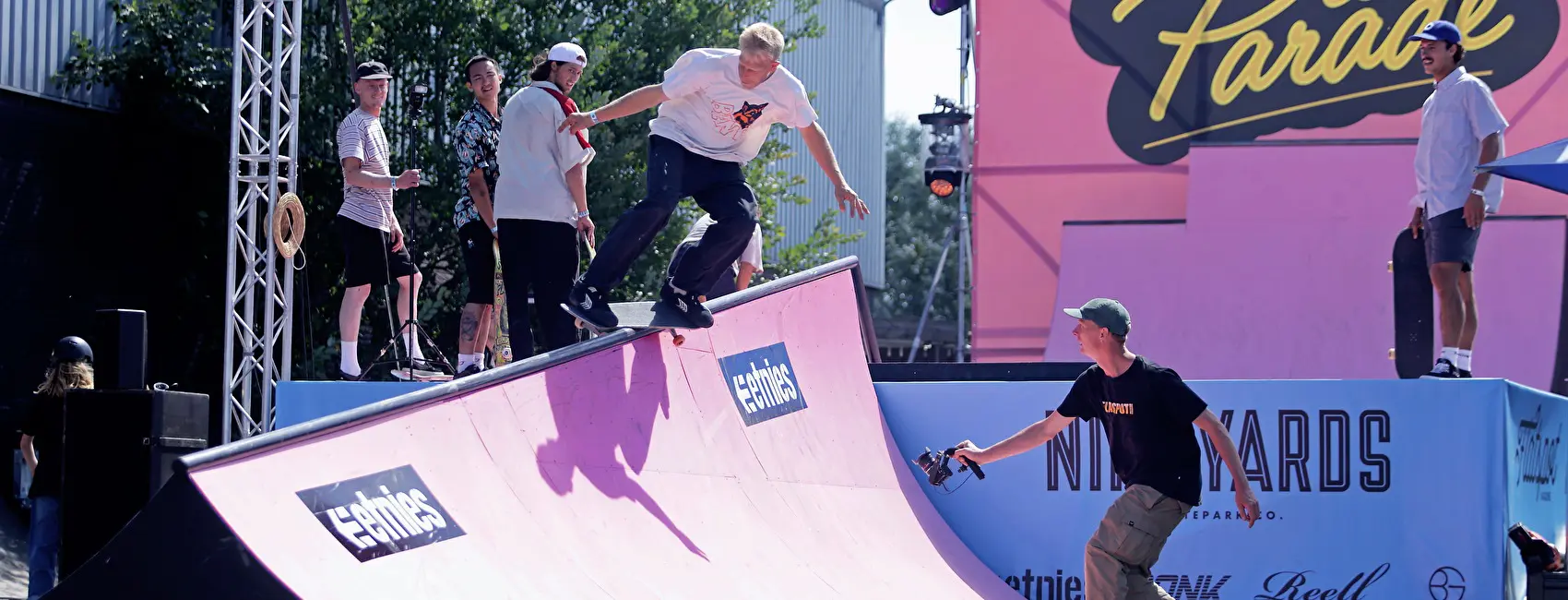
What impact do the Olympic Games have on the free-spirited skateboarding culture?
Ever since skateboarding was born among Californian surfers in the 1950s, it has been known as one of the world's freest sports. It was invented by bored surfers when the waves were too small to surf. It was mostly practiced on the streets, in empty swimming pools and in drainage channels. A lot has changed since then in terms of the technology in skateboards, shoes and skateparks, but at its core little has changed. Skateboarding is free and anyone can approach it in his or her own way. Still, many skaters fear that the Olympic Games will take away or change these freedoms.
Skateboarding culture
Although skateboarding has now been around for almost 70 years, the sport has seen its ups and downs in popularity. Just two decades ago, skateboarding had almost died out. Skateboarding was for misfits and was seen by the masses as something for kids. Due to the lack of facilities and acceptance, skaters had to rely on their own creativity, freedom and perseverance.
Where most sports are run by organizations, skaters only had each other. The only way to progress was to share knowledge and teach each other. Skateboarding culture is not about winning, but about encouraging and respecting each other.
To this day, skateboarding is undoubtedly one of the freest sports. Skateboarding is not run by large organizations; everyone can approach it in their own way. One person uses their board to get from A to B, another spends months practicing that one new trick. It is precisely the lack of rules that makes skateboarding so interesting.
Skateboarding contests
Skate contests are nothing new as such: the first contest was held back in 1963 and they have never gone away since. In fact, since the X Games emerged in the 1990s, the masses have been able to get to know skateboarding. This certainly helped the popularity of the sport. Skateboarding was noticed by the mainstream, which led to a sharp increase in skateparks, for example, and skateboarding video games such as Tony Hawk’s Pro Skater became a huge hype.
More and more contests were organized as well, often by companies with roots in skateboarding culture, or by skaters themselves. Despite the competitive element, the social aspect was the most important thing for most skateboarders. This is where you met new people, learned from each other's tricks and made friends for life.
Skateboarding at the Olympic Games
Since the first rumors about skateboarding being admitted to the Olympic Games, there has been a lot of division within skateboarding culture. Skaters feared the arrival of rules, drawn up by organizations with no knowledge whatsoever of the norms and values of skate culture. There was a great fear that skateboarding's free-spirited image would disappear. Would there be rules on what skateparks should look like? And would the beer and the joint be banned from skateboarding culture? On top of that, large multinationals would want a piece of the pie of its rising popularity, destroying the mostly ‘’skater-owned’’ companies in the process. A major divide emerged between pro- and anti-Olympic skateboarding.
Rules and controls
When it was announced around 2012 that skateboarding would become part of the Olympic Games in Tokyo, a lot happened. Special Olympic skateparks were built in several countries (including the Netherlands). These skateparks are (mostly) exclusively accessible to the national teams. An Olympic contest scoring system was introduced, along with special rules and training for judges at Olympic contests. Skateboarders faced the first doping rules and tests. It also received a lot of attention from mainstream media and news channels.
Still, it has been a very interesting process for skateboarding in general. What has it really added to, or taken away from, skateboarding culture as a whole? We can now safely say that it has done a lot for its popularity. Many people have been introduced to the sport, and more skateparks are being built than ever before.
Anti-Olympic skateboarding
The biggest change is the split between skateboarding as a sport and as a culture. Where one person thinks it is important to be the very best, another places much more value on the free-spirited skate culture and everything that comes with it.
Either way, it has been a very interesting journey, and we now see the creativity of skateboarding culture coming to the fore all the more. To this day, we see new skater-owned companies being born, which often receive great support from the scene. More than ever before, the knowledge of the Western skateboarding world is enthusiastically passed on to the rest of the world. Skate ‘’culture events’’, where the fundamentals of skateboarding culture, fun and bringing people together come first, are also more popular than ever. Think of the Dime Glory Challenge, Copenhagen Open, Pier Parade, Helride etc.
The future of skate culture
The past 10 years have been very interesting. Whether you are personally for or against skateboarding at the Olympic Games, it has turned out largely positive in the end. Nowadays you can find a decent skatepark in every town or village, and skateboarding culture has shown the world how versatile, creative and resilient it is. Little has changed about the essence of skateboarding: everyone can still approach it in his or her own way.
With the growing popularity of individual sports, we see a positive future for both skateboarding as a sport and skateboarding culture.

Mathijs Tromp
- Founder & Co-owner at Flatspot Magazine
